
The 10 Best Aviation Museums in Europe
A Spitfire doesn’t look fast standing still; it actually looks small. That surprise waits at most of the museums on this list: the aircraft that changed wars, opened trade routes, and carried the first jet-set tourists are, in person, startlingly compact. You see this under a hangar light, close enough to read the rivets, not on a screen.
This blog post might include affiliate links that allows Traveleira to keep on operating without any additional cost for the readers. For each purchase done through these links, Traveleira receives a small commision. For any doubt, consult our Privacy Policy.
Aviation museums in Europe reward that kind of proximity in a way most museums don’t. A painting stays a painting no matter how close you stand to it (although you might find a lot more into it as I do, I know you get it). A Lancaster bomber or a decommissioned 747 changes once you’re inside it, under its wing, close enough to see the patch panels where battle damage was once repaired.
Europe has an unusual density of these collections, and most sit on the ground from which their aircraft once flew. A museum built to hold artifacts gets curated from scratch. A museum built on a working airfield inherits hangars, control towers, and runway markings that were never designed to be looked at, only used. The result is a different kind of visit: less staged, rougher, closer to the real thing.
Here are ten worth building a Europe itinerary around, including two practical train routes for linking them.
1. Royal Air Force Museum London (Hendon, UK)
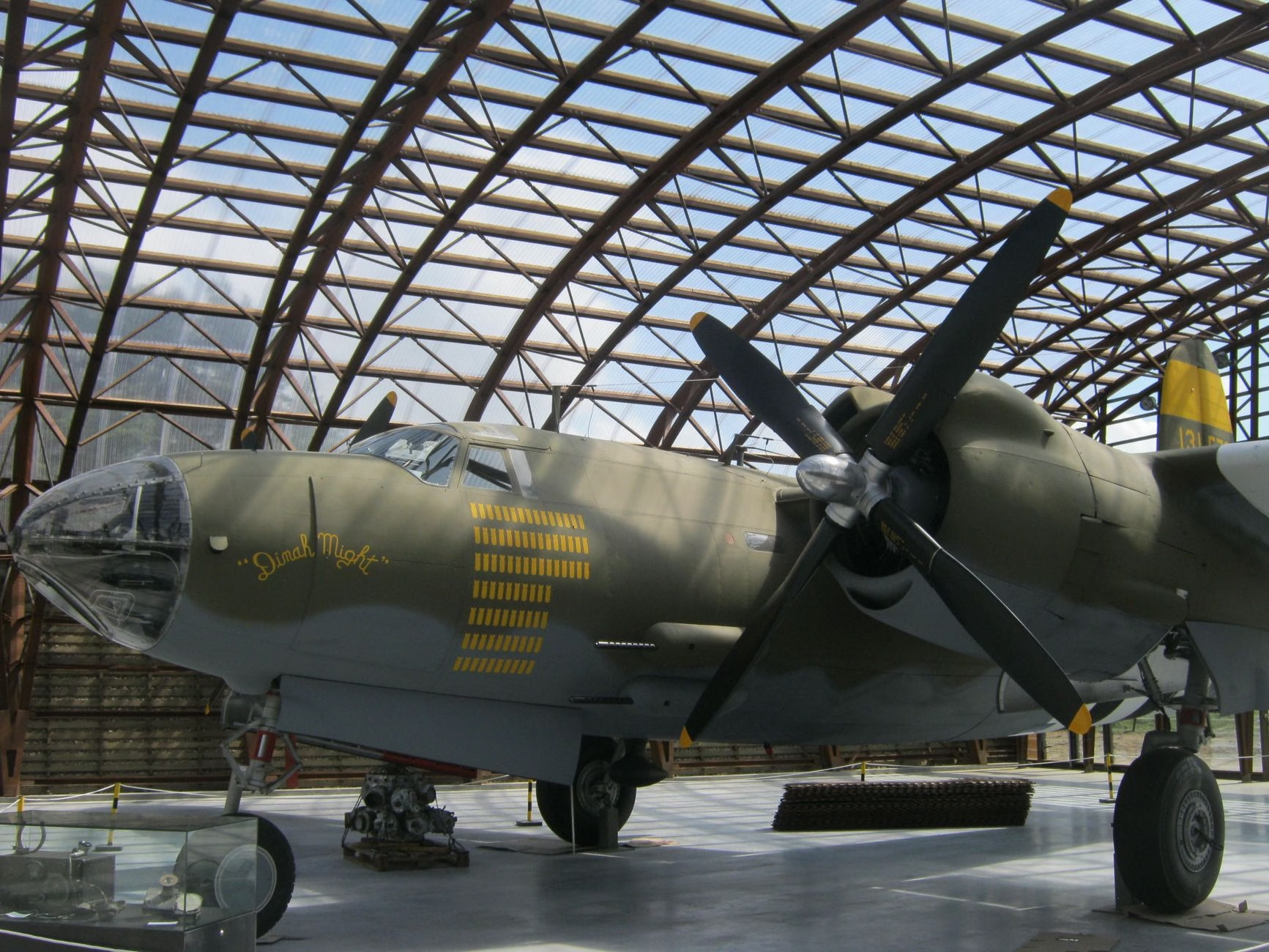
Hendon has been an airfield since 1909. It is older than the RAF itself. Claude Grahame-White ran flying displays and a flying school here before the First World War, and the museum grew out of that history instead of landing on a random plot of ground.
The collection runs past 100 aircraft across several hangars, including a Lancaster bomber that flew real missions and a Spitfire still wearing its Battle of Britain paint. The Beardmore Hangar, one of the original WWI-era structures, now holds the museum’s WWI collection inside the same kind of building where those aircraft were once serviced.
Set aside three to four hours if you want to see all six hangars properly, if you are attracted to this. The museum sits in north London, reachable by the Northern line, and admission is free, which makes it an easy add to a London weekend rather than a day trip you have to plan around.
2. Deutsches Museum Flugwerft Schleißheim (near Munich, Germany)
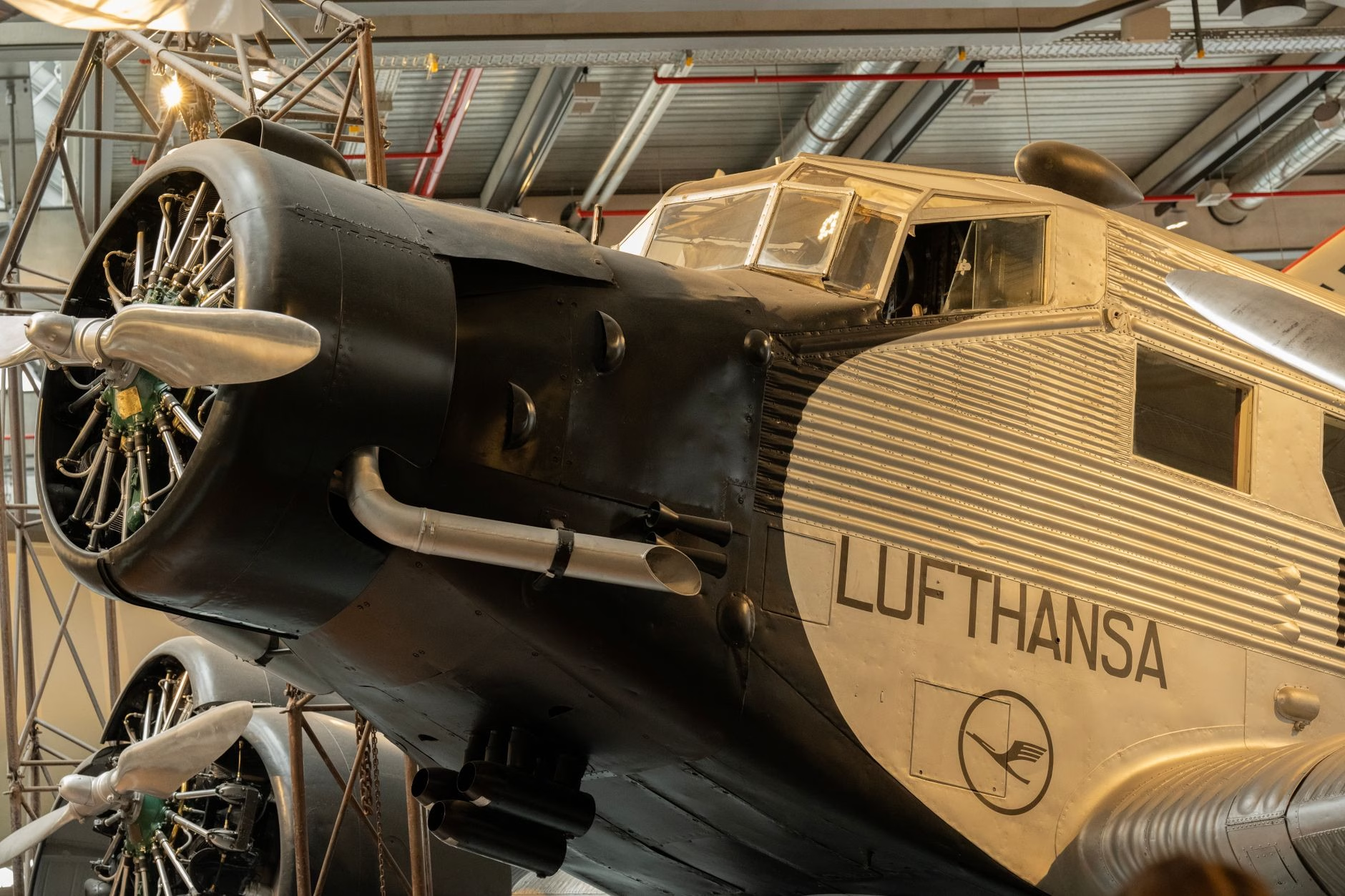
Schleissheim is one of Germany’s oldest airfields, built in 1912 and still surrounded by the original hangars. The museum split off from the main Deutsches Museum in Munich specifically to give the aircraft collection room to breathe, and the result is a flight line that runs from early gliders and a replica Otto biplane through to a MiG-21 and a Transall transport. The restoration workshop is visible from the exhibition floor, so you can watch technicians working on real aircraft mid-visit, not just read about restoration on a placard.
It’s a short S-Bahn ride from central Munich, which makes it easy to pair with a day that also includes the main Deutsches Museum on the Museumsinsel. Budget two to three hours for Flugwerft alone.
3. Polish Aviation Museum (Kraków, Poland)
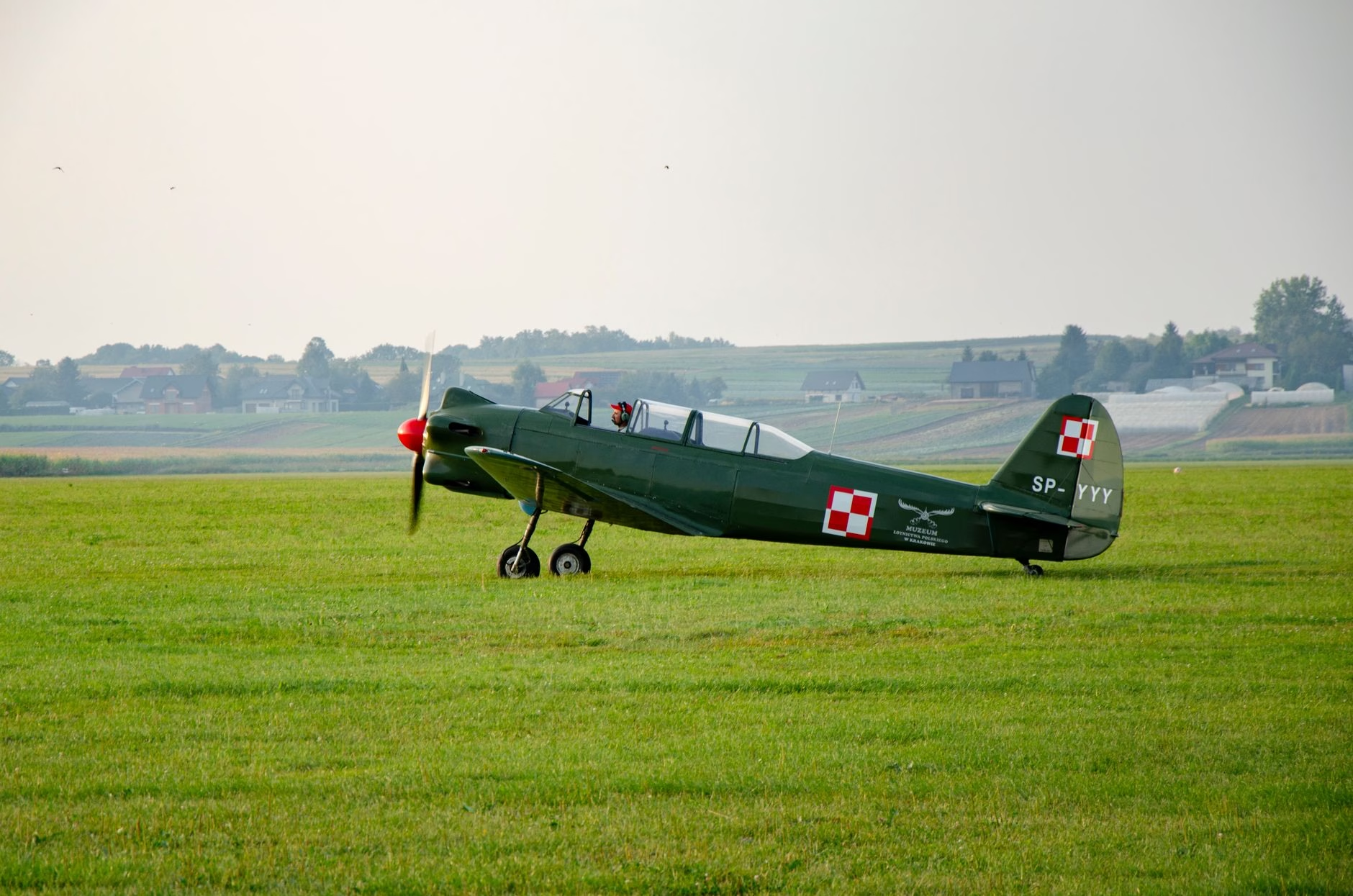
Kraków’s museum is located on the former Rakowice-Czyżyny airfield, one of the oldest military airfields in Europe, in use since 1912. The collection covers Polish aviation from early biplanes through Cold War-era MiGs and Sukhois, and includes a strong run of WWII-era aircraft that’s genuinely rare to see outside Eastern Europe, since so much of that hardware never made it west. Several aircraft sit outdoors on the original airfield apron, which means you’re looking at them on the actual ground they once operated from rather than in a hangar built decades later.
If you’re routing this in from Warsaw, the Warsaw to Krakow train covers the distance in under three hours and skips the drive through the city’s outskirts entirely. It’s the more relaxing option by a wide margin, and it drops you close enough to the old town to walk most places from the station.
4. Musée de l’Air et de l’Espace (Le Bourget, France)

Le Bourget is the airfield where Charles Lindbergh landed in 1927 after crossing the Atlantic, and the museum that grew up around that field is one of the oldest aviation museums in the world, dating to 1919. The scale of the collection reflects that age: Concorde sits a few halls away from a full Ariane rocket, which sits not far from the original Wright-era gliders and early French aircraft from the very first years of powered flight. Walking the floor end to end means covering more than a century of aerospace progress in roughly the time it takes to eat lunch.
It’s a 20-minute RER ride from central Paris, and admission is free for the permanent collection. Plan on at least three hours, more if the Concorde and space halls are open for full access that day.
5. Aviodrome (Lelystad, Netherlands)
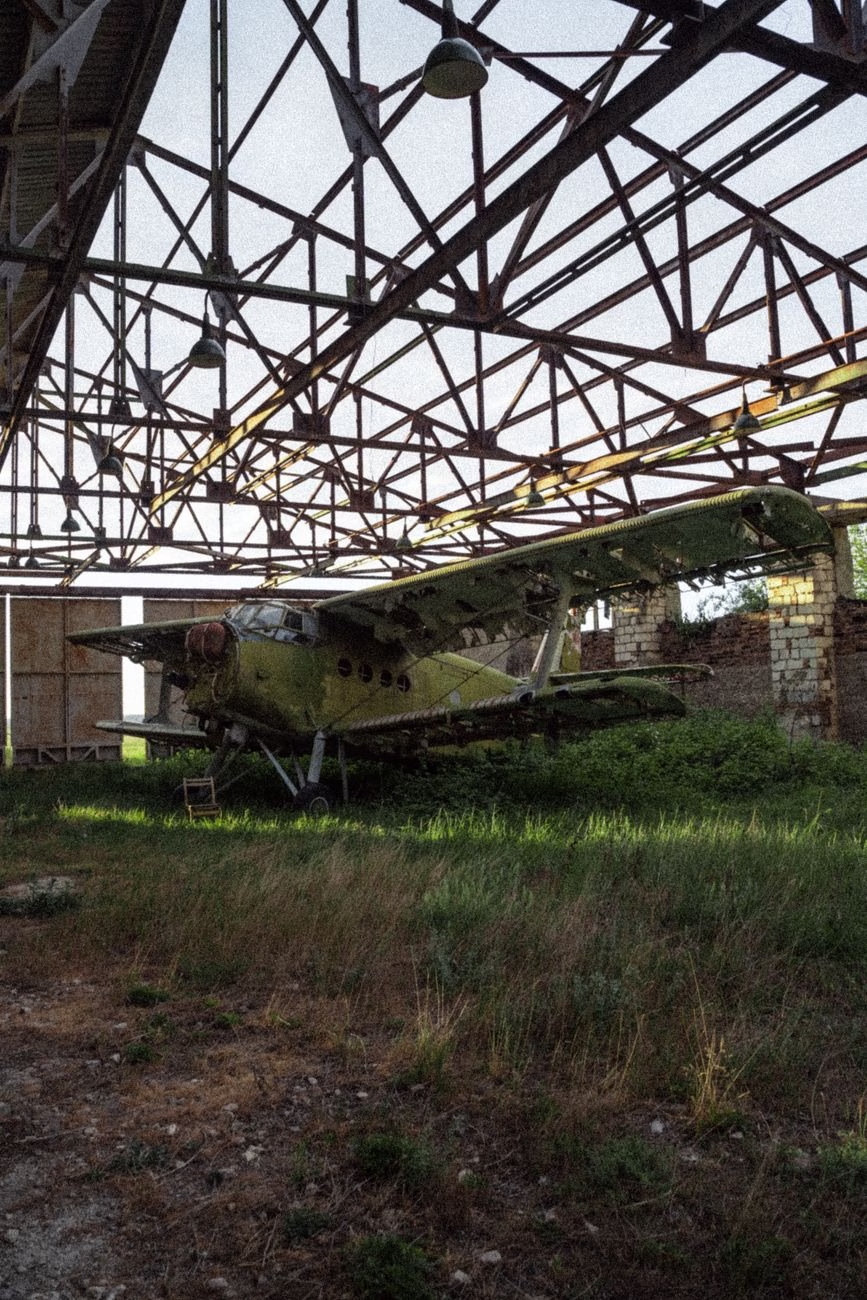
Aviodrome leans hard into the passenger side of aviation history rather than the military side, which makes it a useful contrast to most museums on this list. A walk-through replica of a 1920s airport terminal sets the tone, followed by a decommissioned Boeing 747 you can actually board and walk through, cockpit included, and a real KLM DC-2 that flew the original Amsterdam-Batavia route in the 1930s. It’s one of the few places in Europe where you can trace the entire arc of commercial air travel, from wicker seats to wide-body jets, inside a single afternoon.
If you’re combining this with Le Bourget, the train from Paris to Amsterdam runs direct in under four hours, and Lelystad is an easy regional hop from Amsterdam Centraal once you arrive. It’s a far simpler connection than flying or driving between the two countries for a museum stop.
6. Imperial War Museum Duxford (Cambridgeshire, UK)
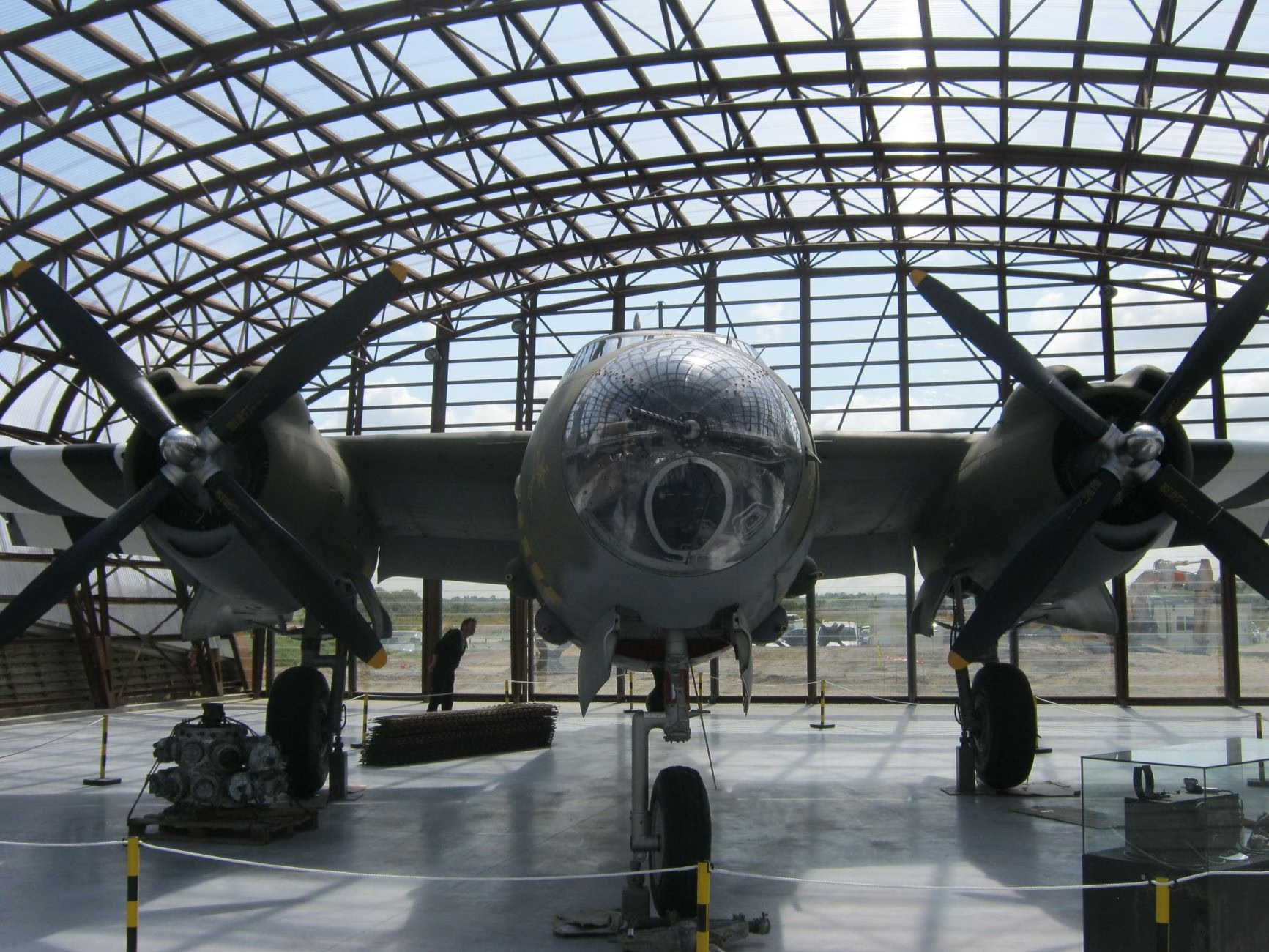
Duxford has been a working airfield since the First World War, and unlike most museums on this list, it still flies several of its own aircraft. The air shows held here put real machines back into motion instead of leaving everything static behind glass, which changes how the static collection reads for the rest of the visit. The American Air Museum building alone holds a B-52, an SR-71 Blackbird, and a B-17, aircraft most European museums simply don’t have access to, since so much of that hardware stayed on the American side of the Atlantic.
The site is large enough that a full visit takes most of a day. It’s about an hour from London by train and connecting bus, which makes it a feasible day trip rather than an overnight one.
7. National Museum of Flight (East Fortune, Scotland)
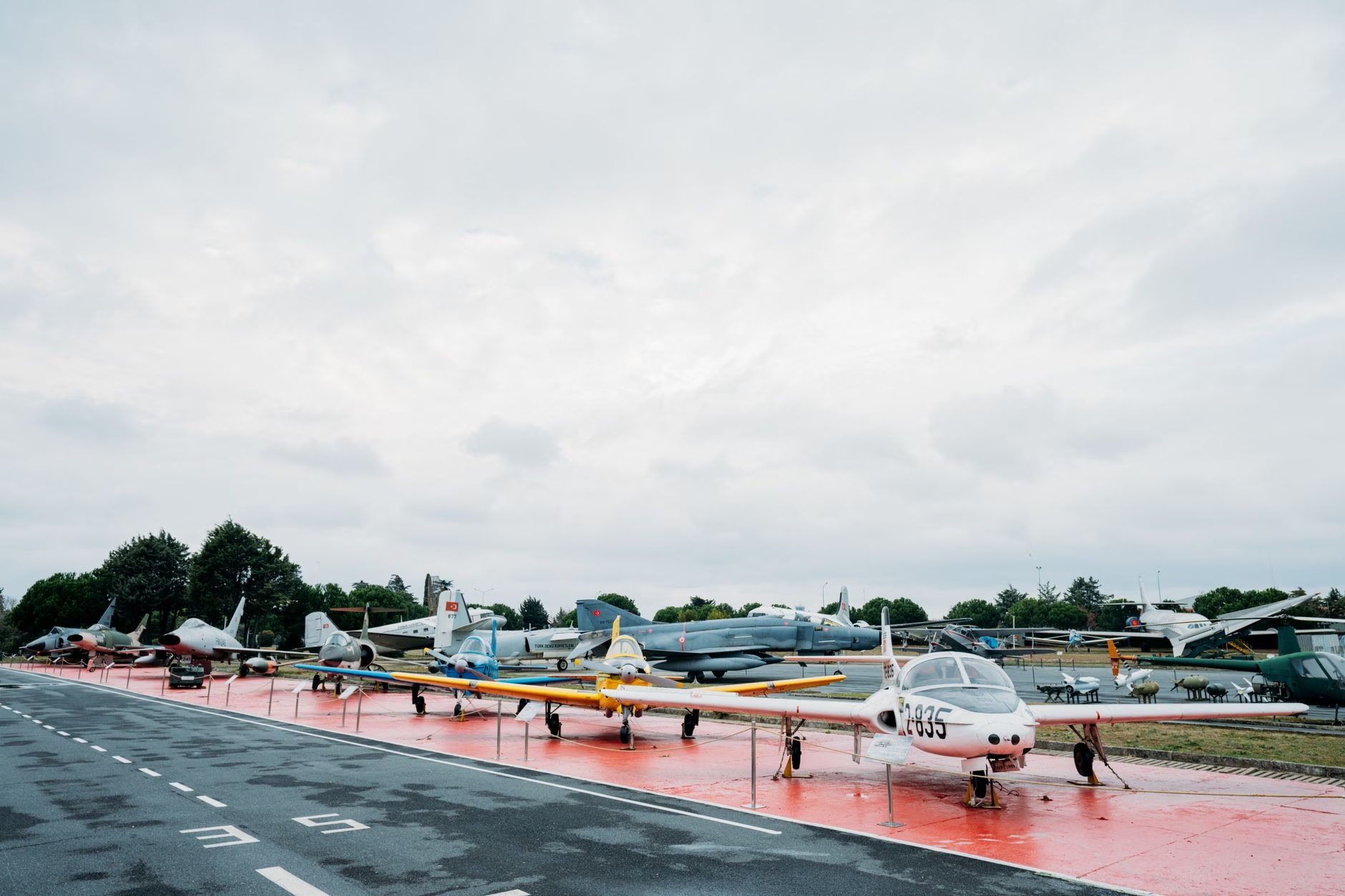
East Fortune was an RAF Coastal Command base during the Second World War, and much of that wartime infrastructure, control tower included, is still standing and in use as part of the museum rather than demolished to make room for something newer. Concorde G-BOAA is the centerpiece, and one of the few places in the world where you walk the actual cabin rather than viewing it from behind a rope line. The rest of the collection runs through early Scottish aviation, military aircraft from both world wars, and a sizeable space exploration hall.
It sits about 25 miles east of Edinburgh, reachable by bus or car, and pairs naturally with a day spent in East Lothian rather than a dedicated trip from the city center.
8. Italian Air Force Museum (Vigna di Valle, Italy)
Vigna di Valle sits on Lake Bracciano at one of the world’s oldest operational airfields, established in 1904 for hydroplane testing, which explains why seaplanes feature so heavily in the early part of the collection. The museum traces Italian aviation from those early seaplanes through to modern jets, with a notable run of aircraft tied to the Schneider Trophy races of the 1920s and 30s, when Italy was a serious contender in international air racing. It’s a smaller, quieter museum than most on this list, and visitor numbers reflect that.
That quiet is part of the appeal. You’ll likely have entire hangars to yourself, which is rare at the bigger national museums. It’s about 45 minutes from central Rome by car or regional train, and easy to combine with a day around Lake Bracciano itself.
9. Technik Museum Speyer (Speyer, Germany)
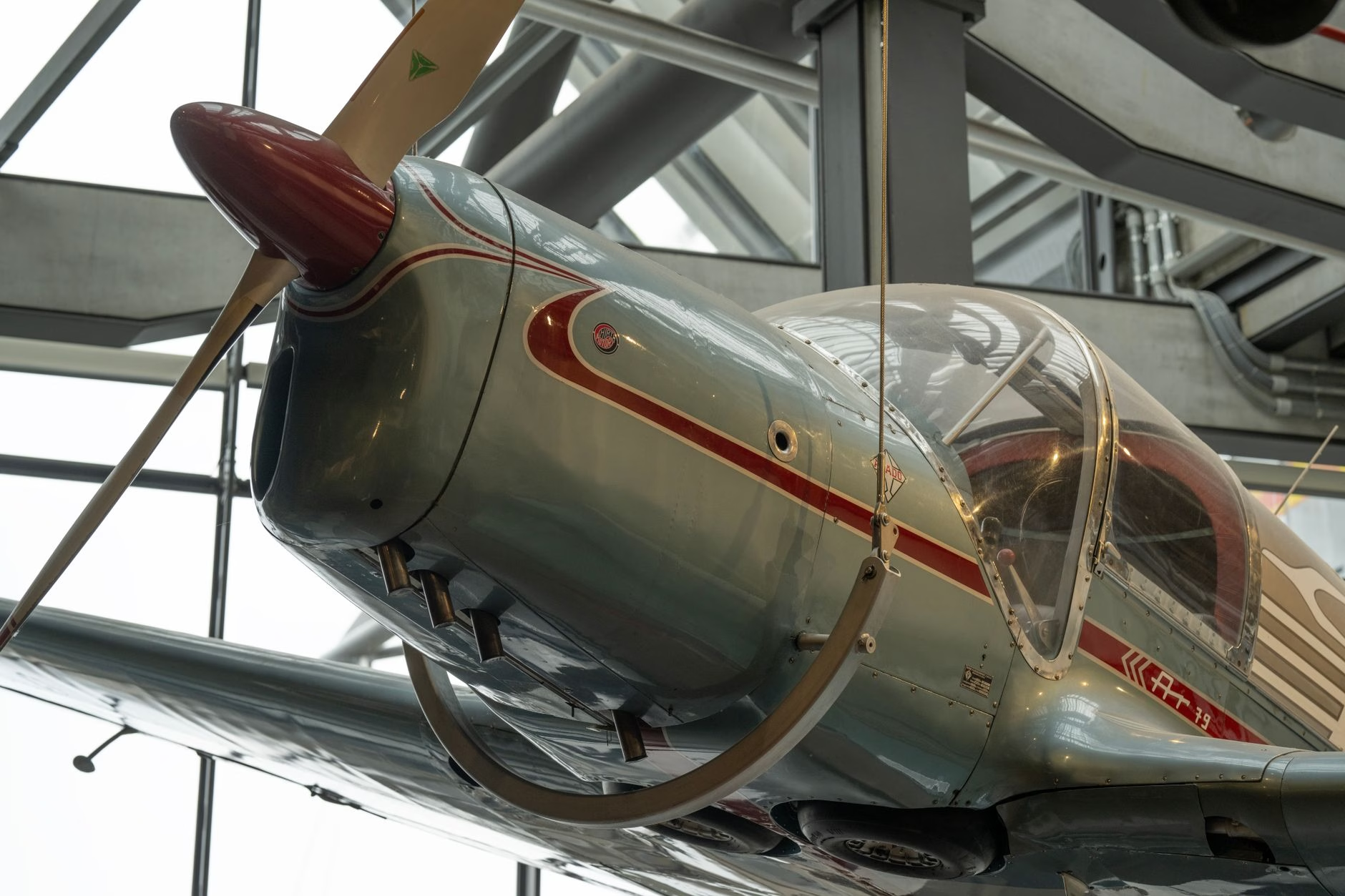
Speyer’s signature piece is a full Antonov An-22 mounted on an outdoor viewing platform you can walk through, one of the largest aircraft ever built and large enough that photographs of it consistently undersell the scale. Standing underneath it changes how the word “large” registers for the rest of the visit. The museum also runs a Boeing 747 you can climb into, cockpit included, plus a space shuttle replica and an extensive collection of cars, trains, and U-boats that make this more of a general transport museum than a pure aviation one.
Because the scope is so broad, plan a full day if you want to see everything. It’s roughly a 20-minute train ride from Mannheim, which makes it an easy add to a Rhine Valley itinerary.
10. Hellenic Air Force Museum (Tatoi, Greece)
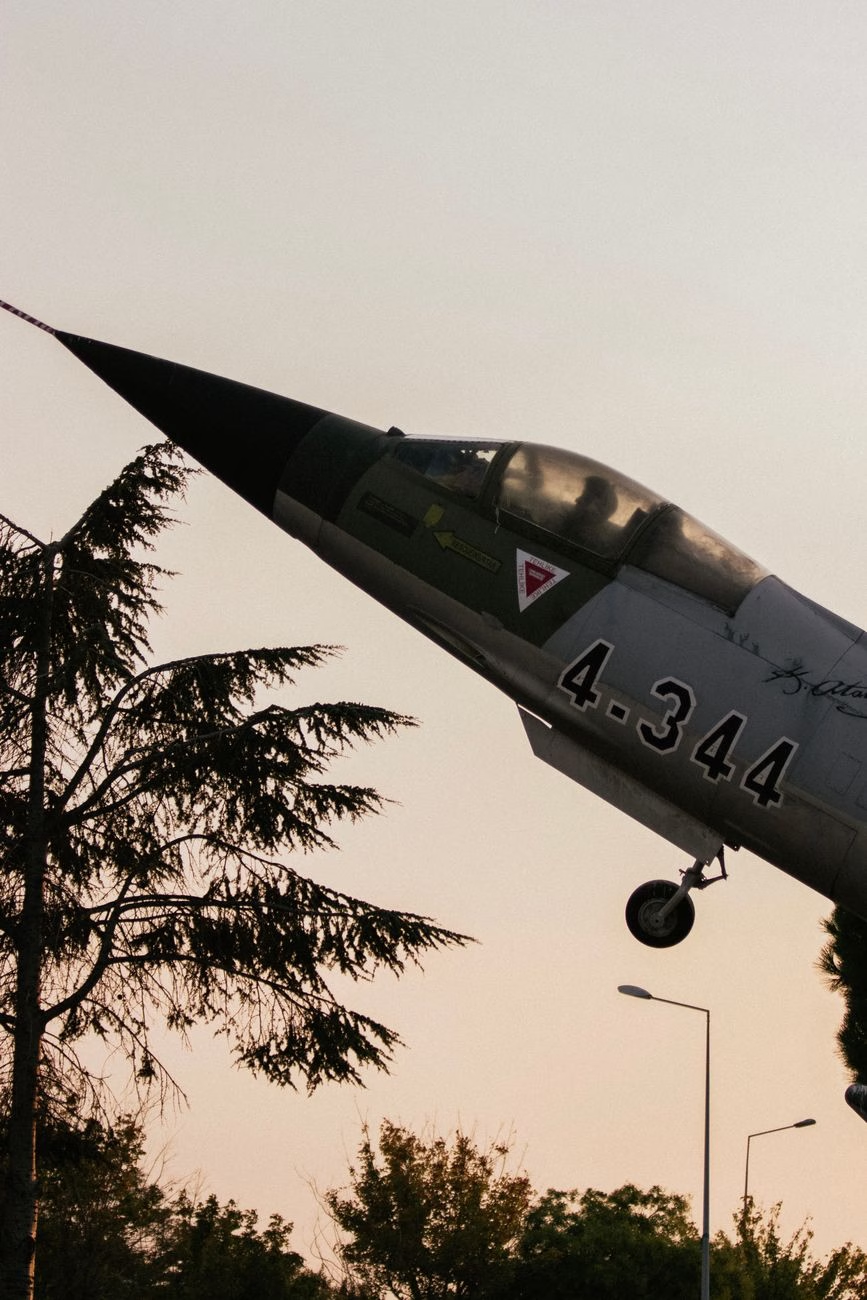
Tatoi sits on the grounds of a former royal estate that was converted into a military airfield, and the museum traces Greek aviation from the First World War through the jet age. It’s a quiet stop by European standards, and the smallest museum on this list, but the aircraft on display span decades of regional conflict, including the Balkan Wars and the Greek Civil War, that rarely surface in museum collections elsewhere in Europe. That regional specificity is the real draw here over raw collection size.
It’s about 45 minutes north of central Athens, and worth checking opening days in advance since hours run more limited than the larger museums on this list.
Best Aviation Museums in Europe: Final Thoughts
These ten span most of the history of flight, from 1912-era airfields to a 747 you can walk through cockpit-first. What connects them is the ground itself: every site on this list was a working airfield before it was a museum. That history shows up in details a purpose-built museum can’t fake, control towers still standing, hangars never meant for public view, runway markings worn into pavement decades ago. Pick two or three close enough to link by train, Warsaw to Kraków, or Paris to Amsterdam, and the trip stops being a checklist. It becomes one continuous story about how aviation actually moved through Europe, told from the ground these aircraft actually flew from.
Pin these Aviation Museums in Europe!