
What is Mass Tourism? 5 Tips to Not Be Part of the Problem
If there is a problem with deep roots, which has been discussed for quite a few years, that is mass tourism. The first thing I need to say as a traveler and tourist is that what will be said here shouldn’t prevent you from becoming a tourist or mean that tourism is wrong.
This blog post might include affiliate links that allows Traveleira to keep on operating without any additional cost for the readers. For each purchase done through these links, Traveleira receives a small commision. For any doubt, consult our Privacy Policy.
In essence, tourism is a series of industries that could benefit the economy while approaching it in a way that is still beneficial to the host destination. But what happens when one of the links on the chain breaks because of the number of tourists who are received? In this post, we will discuss the benefits and cons of mass tourism and how you can avoid being part of the problem.
Definition of Mass Tourism: History of Mass Tourism
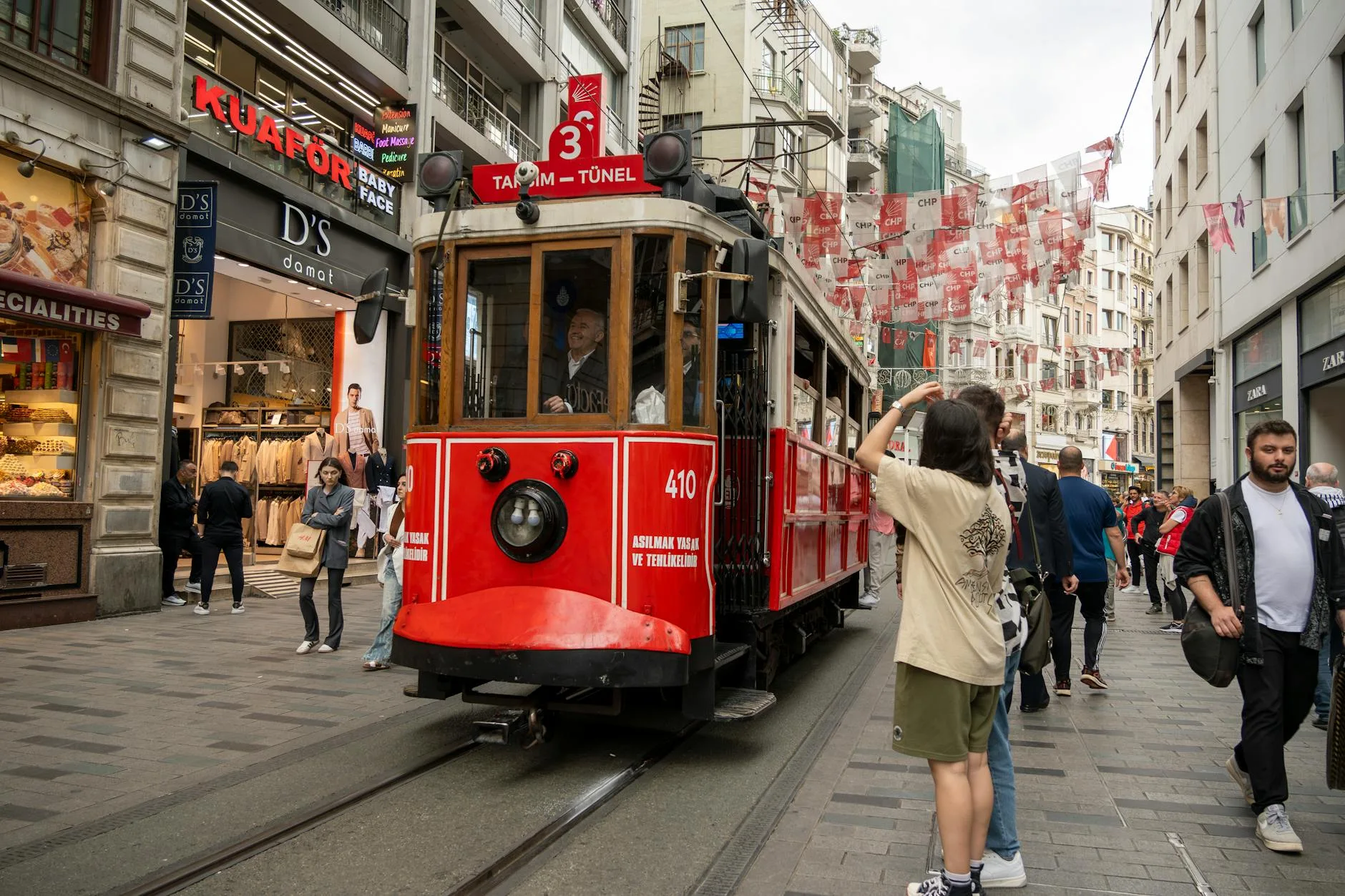
Several researchers have explained mass tourism as a touristic product commercialized for the masses without any niche distinction. For example, in an article called “Rethinking Mass Tourism,” researcher Vilhelmiina Vainikka from the University of Oulu, Finland, implies that it must be contextualized culturally, geographically, and chronologically, among other things. From those perspectives, we can define Mass Tourism today as the places that social media shapes and drives people to, specifically in high seasons, making Summer one of the most popular in the United States.
Characteristics of Mass Tourism
If we have to enlist some characteristics Mass Tourism brings, these are some:
- Commercial reach (Social media and general media)
- Tour operators and travel agencies offer this destination
- Number of tourists annually to this destination
- Experiences might be standardized
However, with the democratization of travel and movement, defining Mass Tourism as a one-way street or just one definition might be irresponsible; these characteristics help shape what we can find in common in places that receive mass tourists.
Let’s Talk About Mass Tourism Protests in Barcelona in 2024
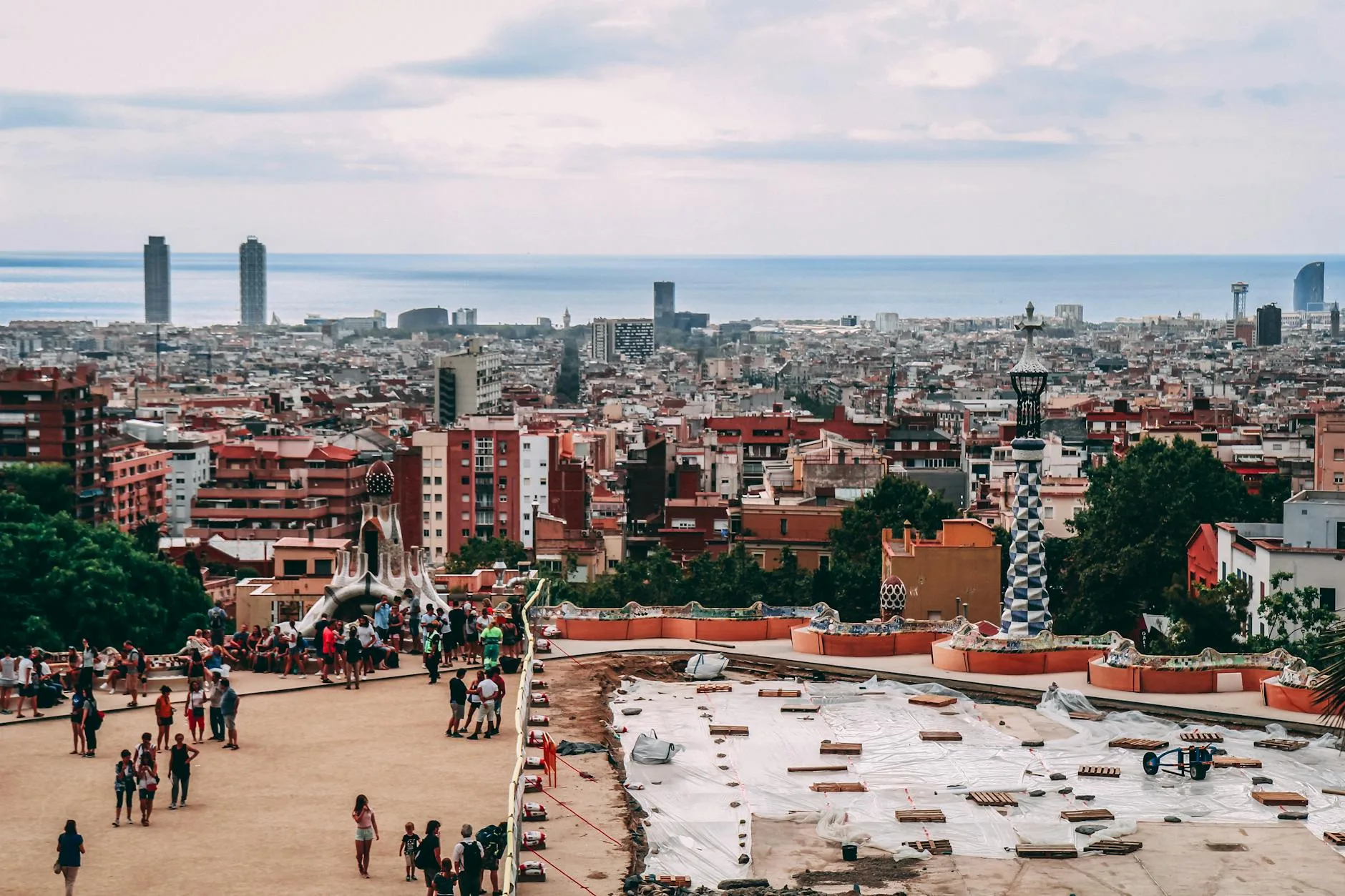
Why were people in Barcelona protesting for Mass Tourism? This has its genesis 32 years before these protests start to take place. Barcelona might be the only Olympic Games host to see a growth in tourism after hosting the games and, in general, has successfully managed that growth in interest and tourists. Real issues started in the 2010 decade with the democratization of travel, low-cost airlines, and the proliferation of short-term rentals in the city. The first problem it caused was a rise in rent prices, which made people move from communities in the city center to the suburbs.
Many historic communities, such as La Barceloneta and L’Eixample, have started to suffer gentrification and the displacement of locals. Developers are buying entire buildings to convert them into short-term rental apartments. In 2016, former mayor Ada Colau imposed regulations on short-term rentals, but the damage was already done: communities in Barcelona were consistently changing due to tourism needs.
Another problem this brought was that some tourists did not respect the locals, made loud noises, disrupted the city, and misbehaved around the city. As a traveler, I have been taught that wherever I go, I should respect the local norms, but this concept is not universal. Locals have taken way too much, and people have lost their patience. This explains why people take extreme measures, although I do not celebrate them.
Positive Impacts of Mass Tourism
Not everything that mass tourism brings is negative; here are some of the benefits of mass tourism:
- Economic benefits: In theory, increased revenue for businesses in tourist destinations (hotels, restaurants, shops, etc.) should result. One demand in Barcelona is that locals do not necessarily see this.
- Job creation in tourism and related sectors: There are new jobs in this area, but this needs to be considered compared to the local economy.
- Infrastructure development: Improved transportation networks (roads, airports)
- Public facilities (parks, beaches): Barcelona has led this area, introducing new initiatives like converting some streets into pedestrian streets.
- Cultural exchange: Increased exposure to different cultures and traditions as long as the tourist is interested in engaging and immersing in local culture.
- Preservation of cultural heritage through tourism revenue: With the creation of well-crafted and well-managed cultural tourism products, this is possible
- Environmental awareness: Increased focus on environmental protection in popular tourist destinations when the locals step up.
Mass Tourism Negative Impacts
These are some of the negative impacts of mass tourism, and unfortunately, some of them have been seen more frequently than the beneficial ones:
- Environmental degradation: Increased pollution (air, water, noise), Increased waste generation, Damage to natural habitats and wildlife
- Sociocultural impacts: Overcrowding and congestion, Increased cost of living for residents
- Commercialization: Loss of authenticity in tourist destinations, Focus on souvenir shops and chain restaurants.
Tips to Not Be Part of the Problem
If you are here, you might be looking for alternatives or solutions; of course, this is what I will bring. As a traveler and sustainable tourism advocate, I believe it is important to keep these things in mind no matter where you are traveling, whether it is facing the negative impacts of Mass Tourism or not.
Consume Local Products
I don’t judge people who travel and sometimes visit places they know. I can even understand this. If you have the chance, try not to make this the rule but the exception. Consume local products, visit local restaurants, and even farmers’ markets. These are ways you know you are directly contributing to the local economy.
Buy Souvenirs From Local Artisans
This needs to be stressed a little more. When choosing souvenirs to buy to bring back home, choose those that local artisans make. Of course, the mass-produced ones might be cheaper, but that does not directly contribute to the local economy. Buying from a local artisan means you are directly helping a local family.
Be Careful with Short Term Rentals
I won’t say directly to avoid short-term rentals. Short-term rentals have all types of profiles. I suggest you study whatever accommodation you choose and verify how it helps the local economy. Is it family-owned? Is it owned by a local? Even if you choose a hotel, I’d suggest considering these. I know that sometimes this may not necessarily be the best thing for your budget, so evaluate what resonates with you that helps you contribute to locals, which is still within your budget.
Go to Mass Tourism Friendly Destination on Shoulder Seasons
This is one of my favorites, although I understand is not for everyone. Avoid high seasons and visit these destinations at other times of the year. You will even have a better experience as a tourist without the huge queues and crowds.
Try to Connect with Locals
This is the most important thing to do when visiting a new destination. I understand that sometimes there might be situations where language barriers are present, but I suggest trying to meet and connect with locals as much as possible. Doing this will make your presence at their destination much more appreciated. One of the biggest problems of Mass Tourism is that sometimes, the tourists are disconnected of the places they are visiting. By doing this, you are a step closer to genuinely understanding the place you are at.
Mass Tourism FAQs
What is the goal of mass tourism?
In theory, mass tourism aims to make travel accessible to many people, boosting local economies through increased revenue, job creation, and infrastructure development. However, sometimes this is not achieved.
What are the advantages and disadvantages of mass tourism?
What are the advantages and disadvantages of mass tourism?
The advantages of mass tourism include economic benefits, job creation, infrastructure development, cultural exchange, heritage preservation, and increased environmental awareness. However, it also brings disadvantages such as environmental degradation, sociocultural impacts, overcrowding, increased living costs, and commercialization of local cultures.
What are 2 negative impacts of mass tourism?
Two negative impacts of mass tourism are environmental degradation, which includes pollution, waste generation, and habitat damage, and sociocultural impacts, such as overcrowding, higher living costs for residents, and the loss of local culture and traditions.
What is the difference between overtourism and mass tourism?”
Mass tourism refers to the large-scale movement of people to popular destinations, making travel affordable and accessible. Overtourism occurs when tourist numbers exceed capacity at those destinations that attract mass tourism, leading to severe negative impacts on local life, infrastructure, and the environment.
Final Thoughts on the Growth of Mass Tourism
Understanding mass tourism dynamics is crucial for travelers and host destinations. While mass tourism brings significant economic benefits and opportunities for cultural exchange, it also poses serious challenges, such as environmental degradation and sociocultural impacts.
We can mitigate these negative effects by being mindful and adopting responsible travel practices—like consuming local products, respecting local norms, and avoiding high seasons. Ultimately, the goal is to ensure that tourism remains a positive force, enriching both the lives of visitors and the communities they visit.
By fostering sustainable tourism practices, we can help preserve the beauty and authenticity of destinations for future generations.
Pin These Tips to Avoid Mass Tourism