How to Plan a Road Trip: Best Tips in 2026
Road trips are a way to explore new places and create memories. However, a journey requires more than just a destination. Proper preparation can make the difference between a stress-free adventure and a challenging experience. There are several steps on how to plan a road trip such as planning your route and ensuring your vehicle is road-ready. By staying prepared, you’ll be able to fully enjoy your trip, tackle any surprises, and make the most of your time on the go.
This blog post might include affiliate links that allows Traveleira to keep on operating without any additional cost for the readers. For each purchase done through these links, Traveleira receives a small commision. For any doubt, consult our Privacy Policy.
As you might know, I am not exactly a road trip person, but these tips were shared to me by friends who are experts on how to plan a road trip. For example, I was able to consult these same experts when finding how to get from Tirana to Vlore in Albania. Let’s explore them!
Start with a Solid Plan

A successful road trip begins with proper planning. For example, if you were about to round trip Puerto Rico, you will need to know how to get around Puerto Rico. The first step on how to plan a road trip is to start deciding on your destination and mapping out the route. Use navigation apps to identify stops for rest, meals, and scenic spots. Check the weather forecast to prepare for any potential delays or challenges.
Make a note of fuel stations along the way to avoid running low on gas in remote areas. It’s also helpful to share your travel plan with a trusted friend or family member so someone knows your route and schedule. Planning ensures your trip is organized and reduces surprises, giving you more time to enjoy the journey and focus on creating memories.
Ensure Car Documents and Insurance Readiness
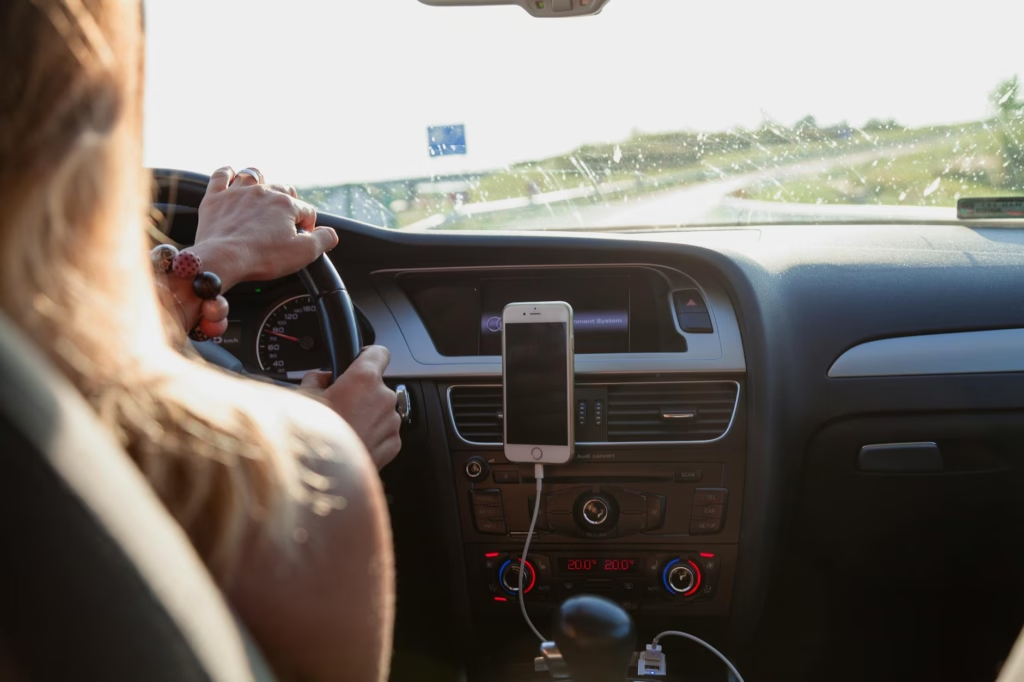
Your car needs to be in good shape before you plan a road trip. Check its condition and consider getting a professional to inspect it if needed. Also, make sure your documents are ready. You’ll need a valid driver’s license, current car insurance, and vehicle registration. Keep both digital and paper copies handy in case of emergencies.
In addition, knowing your insurance policies well can also save you from unexpected costs when considering how to plan a road trip. For example, many people don’t fully understand how car accidents can impact their insurance policies. This includes factors like fault and severity of the incident. Car accident impact on your insurance rate differs based on multiple situations, and understanding them can help you plan better.
Insurance providers often evaluate factors like who was at fault and the severity of the incident when determining your premiums. An at-fault accident may lead to a surcharge or even a policy non-renewal. Staying informed about these aspects not only helps you stay prepared but also ensures you make smarter decisions about your coverage.
How to Plan a Road Trip: Pack Smart for Comfort and Safety
Packing the right items can make your trip comfortable and stress-free. Start with safety essentials, including a first-aid kit, flashlight, and bottled water. Add snacks like granola bars or trail mix for quick energy. For comfort, bring pillows, blankets, and portable chargers to keep devices powered.
Don’t forget emergency tools such as jumper cables, a tire repair kit, and a spare tire. Pack strategically to keep frequently used items within reach. Having a well-organized bag ensures that you’re prepared for any situation without overcrowding your vehicle. Having a pre-travel checklist contributes to a more enjoyable and worry-free road trip experience.
Understand Road Safety Best Practices

Safety should always be your top priority while considering how to plan a road trip. Obey speed limits and follow traffic rules to avoid fines or accidents. Use seat belts at all times and encourage passengers to do the same. Take regular breaks every couple of hours to prevent fatigue and improve focus.
Stay hydrated and avoid distractions like texting while driving. Be extra cautious in unfamiliar areas where road conditions might vary. Keep an emergency contact list handy and familiarize yourself with the nearest medical facilities along your route. By staying vigilant, you’ll reduce risks and have a safer trip.
Plan for Entertainment and Connectivity
Long stretches on the road can get monotonous without proper entertainment. Download playlists, audiobooks, or podcasts ahead of time to enjoy offline. Bring books or small games to keep passengers engaged. Make sure your devices, including phones and tablets, are fully charged, and bring extra power banks.
Offline maps are crucial if you lose signal in remote areas. Staying connected helps you navigate efficiently and access help if needed. With a variety of entertainment options and reliable connectivity, you can keep the journey enjoyable for everyone in the car.
Wrap Up with a Post-Trip Checklist
Once you’ve returned home, take a moment to wrap things up properly, and this is an essential step on how to plan a road trip. Check your car for any items left behind during the trip. Reflect on what went well and what could be improved for your next road trip. This could include reviewing the effectiveness of your packing list or identifying stops you’d like to revisit.
Sharing your travel experiences with friends and family is a great way to preserve memories. By taking these simple steps, you’ll not only close the trip on a high note but also set the stage for even better journeys in the future.
How to Plan a Road Trip: FAQ
How do you plan a road trip for beginners?
Start by choosing your destination and mapping out your route with planned stops for rest, meals, and fuel. Use navigation apps to find scenic spots and check the weather forecast to prepare for delays. Share your travel plan with a trusted person for safety. Pack essentials like a first-aid kit, snacks, and entertainment, and ensure your vehicle is in good condition.
How much money is needed for a road trip?
The cost of a road trip depends on factors like distance, fuel prices, accommodation, meals, and activities. Estimate your expenses by calculating fuel costs based on your route, setting a daily food and lodging budget, and including some extra for unexpected costs. A flexible budget ensures a smoother experience.
What is the best road trip planner?
Popular tools like Roadtrippers and Waze are great for planning road trips. They help you discover attractions, track expenses, and optimize your route. Roadtrippers is excellent for scenic routes, while Waze provides real-time traffic updates to save time.
Can Google Maps plan a road trip?
Yes, Google Maps is a useful tool for planning road trips. It allows you to map out routes, add multiple stops, and explore nearby attractions. You can also download offline maps for remote areas, ensuring navigation even without an internet connection.
How to Plan a Road Trip: Final Thoughts
How to plan a road trip can be one of the most rewarding travel experiences. By taking the time to prepare your vehicle, pack thoughtfully, and stay flexible, you’ll set yourself up for success. Remember to prioritize safety and enjoy every moment of the journey. With these tips on how to plan a road trip in mind, you’re ready to hit the road and create unforgettable memories.
Pin How to Plan a Road Trip!